PNY CS900 1TB 2.5″ SATA III Internal SSD
Kingston NV3 1TB M.2 2280 NVMe SSD
Samsung SSD 990 PRO 1TB, PCIe 4.0 M.2 2280
Best 1Tb Ssd Buying Guide — Black Friday Deals 2026
A 1TB SSD can be a straightforward storage upgrade, but the right choice depends on the connection your computer supports and the kind of installation you have in mind. These options range from a 2.5-inch SATA drive to M.2 NVMe models, with different listed speeds and features. During Black Friday, compare the exact product and variant shown in the offer rather than assuming a seasonal label means a discount. Check your device documentation for the supported drive type, and decide whether migration software, encryption, or a particular listed speed matters for your plans. The recommendations below highlight distinct tradeoffs without assuming a deal is active.
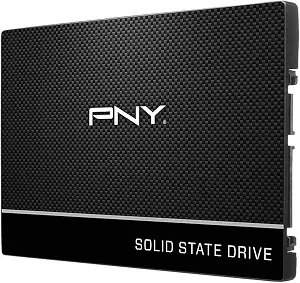
PNY CS900 1TB 2.5″ SATA III Internal SSD
This is the straightforward option to consider when your upgrade plan calls for a 2.5-inch SATA drive. It has 1 TB of capacity, uses SATA connectivity, and lists sequential read speeds of up to 535MB/s. Those details make it a practical starting point for someone replacing or adding storage in a device whose documentation specifies this drive format and interface. Verify those requirements before ordering; an SSD’s capacity alone does not establish that it fits a particular computer.
The appeal here is the familiar 2.5-inch format and a clearly stated SATA connection, rather than a long list of extra features. If your priority is a simple storage choice for a compatible system, that can be easier to evaluate than deciding among multiple M.2 options. The listed read speed is a specification, not a promise of the result in every computer or workload. A device’s supported interface and other system details affect what a drive can do, so treat the published figure as one consideration, not the whole buying decision.
Best Budget is the supplied editorial label for this drive; it is a category choice, not a claim about a current price or a market-wide award. For Black Friday, compare the exact 2.5-inch SATA variant and capacity in the offer with what you need, and check the final listing details rather than assuming the product is discounted. This is the choice to shortlist when SATA and the 2.5-inch form factor match your upgrade plan. If your device instead calls for M.2 storage, look at the other listed options rather than trying to infer compatibility from capacity.
Key specs
| Capacity | Digital Storage Capacity 1 TB |
| Interface | Hard Disk Interface Solid State Connectivity Technology SATA |
| Form factor | Hard Disk Form Factor 2.5 inches |
| Sequential read speed | up to 535MB/s seq. Read |
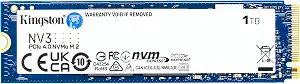
Kingston NV3 1TB M.2 2280 NVMe SSD
This 1 TB drive is an M.2 2280 NVMe option with a PCIe 4.0 Gen 4×4 interface. Its listed sequential speeds are up to 6,000MB/s read and 4,000MB/s write. That combination makes it a useful candidate for shoppers whose device documentation calls for this form factor and interface and who want to consider the published read and write figures together. Check the system’s requirements first: an M.2 shape by itself does not confirm that a particular drive interface is supported.
The included Acronis cloning software is a relevant detail if you are planning a drive migration and want to consider the software named in the listing. It does not remove the need to plan the move, confirm the target device supports the drive, or decide how you want to transfer your files. For everyday use, start with your actual task and setup, then judge whether the listed speeds and included software align with your priorities. Treat the maximum speeds as published specifications, not guaranteed results across every computer or workload.
Best Overall is the supplied editorial label among these featured drives, not a claim based on testing or proof of superiority in every setup. The mix of M.2 2280, PCIe 4.0 Gen 4×4, listed read and write speeds, and included cloning software gives shoppers several concrete details to weigh. During Black Friday, check that the offer is for this exact 1 TB model and compare its displayed terms with your intended purchase; do not assume the seasonal event means a discount is active. Choose it when the form factor and interface fit your device and the listed features suit your plan.
Key specs
| Capacity | 1 TB |
| Interface | PCIe 4.0 Gen 4×4 |
| Form factor | M.2 2280 |
| Read and write speeds | Up to 6,000MB/s read, 4,000MB/s write |
| Included software | Includes Acronis cloning software |
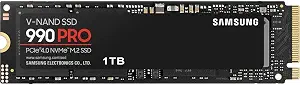
Samsung SSD 990 PRO 1TB, PCIe 4.0 M.2 2280
Check Price on Amazon
This 1 TB M.2 2280 drive uses a PCIe x 4 interface and lists sequential read speeds up to 7,450 MB/s. Its stated sequential read/write speeds are up to 7,450/6,900 MB/s, and AES 256-bit encryption is also listed. These details make it worth considering if your device documentation supports the format and interface and you want to weigh both the speed figures and the encryption feature. Confirm the requirements for your specific system before choosing an M.2 drive.
Laptop, Mac, and PC are listed as compatible device categories. That information is a useful starting point, not a guarantee that every device in those broad categories supports this specific drive. Check the manufacturer’s guidance for your computer, including its storage interface and form factor, before purchasing. If encryption is part of your decision, consider whether the listed AES 256-bit feature fits your needs; do not assume that the specification alone describes every aspect of setup or data protection.
Best for a high listed read speed is an editorial label based on the stated sequential read specification, not a measured comparison or a promise of results. The label does not mean this is the right fit for every buyer: system support and your intended workload still matter. For Black Friday, verify the listing’s exact capacity and model before comparing offers, and evaluate the displayed terms without presuming a promotion. Consider this option if its format, interface, stated speed figures, and encryption feature match the priorities you have established.
Key specs
| Storage capacity | 1 TB |
| Interface | PCIE x 4 |
| Form factor | M.2 2280 |
| Sequential read speed | Sequential Reads up to 7,450 MB/s |
| Sequential write speed | sequential read/write speeds up to 7,450/6,900 MB/s |
| Encryption | AES 256-bit Encryption |
| Compatible devices | Laptop, Mac, PC |
Start with the slot your system actually supports
Compatibility is the first filter because these drives do not share the same form factor or interface. One is a 2.5-inch SATA model; the other two are M.2 2280 drives, and the listed NVMe option specifies PCIe 4.0 Gen 4×4. Before browsing Black Friday offers, check your computer’s documentation for the drive format and connection it supports. Do not assume that a drive will work merely because its capacity is right, or because a product page mentions a broad category such as laptop or PC.
Also distinguish the physical shape from the connection standard. An M.2 label describes the form factor, while the interface details help explain what the system must support. If the documentation is unclear, pause to confirm the requirement rather than using a seasonal offer as a reason to guess. A suitable product is one that matches the intended device as well as your storage needs. This simple check can narrow the shortlist before you spend time comparing speeds, included software, or Black Friday offer details.
Compare Black Friday offers by exact model
A Black Friday label does not establish that a product is discounted, nor does it tell you whether the displayed offer is for the version you meant to buy. Match the product name, capacity, form factor, and interface shown in the offer against the model you shortlisted. That matters particularly when you are comparing 2.5-inch SATA storage with M.2 options: the same capacity does not make them interchangeable. Review the current listing details at the point you shop, and make your decision using the terms actually shown there.
It also helps to decide what a suitable offer would mean for you before browsing. You might prioritize a drive that matches an existing system, or prefer an included feature that supports your planned migration. Compare only products that satisfy your compatibility needs, then weigh their stated features. Avoid treating a Black Friday banner as evidence of savings, stock status, or a particular seller policy. The practical question is whether the exact model and the offer shown meet your requirements, not whether the event name sounds compelling.
Read speed figures in the context of your tasks
The listed speed figures can help distinguish the products on paper, but they should not be treated as a guarantee of real-world performance. The SATA option lists sequential reads up to 535MB/s. The Kingston model lists up to 6,000MB/s read and 4,000MB/s write, while the Samsung model lists sequential reads up to 7,450 MB/s and sequential read/write speeds up to 7,450/6,900 MB/s. Keep the original qualifications in mind: these are stated maximums, and the result depends on the system and the work being done.
Think about your intended use before making a speed figure the deciding factor. If the drive is for a system that specifies SATA, an M.2 model’s numbers do not make it an appropriate substitute. If your system supports the listed M.2 interface, consider whether you care about read speeds, write speeds, or other features as well. For Black Friday shopping, compare specifications only after compatibility is settled; a larger number on a listing does not prove a better experience for every task.
Factor migration and encryption into the choice
A drive upgrade can involve moving files or setting up storage, so consider any included feature that relates to your plan. The Kingston listing includes Acronis cloning software. That may be a useful point to weigh if you are considering cloning as part of a migration, but it does not establish that every setup will be identical or remove the need to prepare. Make sure the product fits the target device, and think through what you want to transfer before beginning an upgrade.
The Samsung listing specifies AES 256-bit encryption. If encryption is important to your decision, take that stated feature into account and look into the setup details you need for your own use. Avoid assuming that one feature answers every security question. The PNY details provided here focus on capacity, SATA connectivity, form factor, and read speed. Missing details should not be read as proof that a feature is absent. In Black Friday comparisons, distinguish clearly between a listed feature and any requirement you still need to confirm.
Build a Black Friday shortlist around priorities
A useful shortlist begins with a must-have: the form factor and interface your system supports. From there, decide whether your priority is a 2.5-inch SATA choice, an M.2 NVMe model with included cloning software, or an M.2 option that lists AES 256-bit encryption. These are different reasons to consider the products, not a ranking that applies to every buyer. Capacity is 1 TB for each featured option, so the other stated distinctions can help you focus your comparison.
Before choosing, revisit the exact model in the offer and make sure its listed details match the product you intended to evaluate. Consider how much importance to give the published speed figures, whether an included feature is relevant, and whether the system supports the drive. Then compare the offer terms actually displayed without presuming a Black Friday discount or other condition. A concise list of requirements helps keep the purchase focused and makes it easier to set aside an attractive-looking option that does not fit your device.
Make your Black Friday choice
The best 1TB SSD for your plans is the one that fits your system and offers the features you value. Start with compatibility, then compare the stated speeds, migration software, or encryption details that matter to you. Black Friday can be a useful time to review the exact models on your shortlist, but the event name alone does not confirm a discount. Check the specific listing and its displayed terms, and choose based on your requirements rather than an assumed promotion.