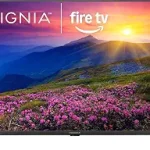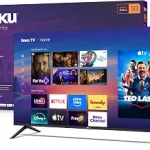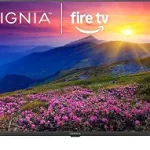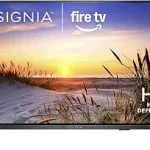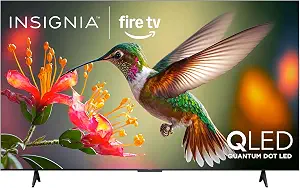
INSIGNIA 75-inch Class QF Series LED 4K UHD QLED Smart Fire TV with Alexa Voice Remote (NS75-UQFL26)
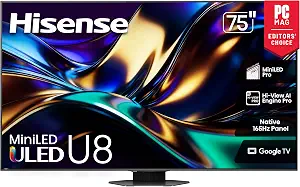
Hisense 75″ U8 Series ULED Mini-LED 4K UHD Smart Google TV (75U8QG)
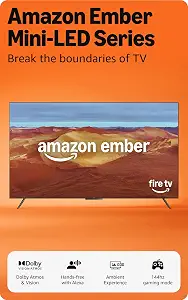
Amazon Ember 75″ Mini-LED Series with Fire TV
Best 75 In Tv Buying Guide — Black Friday Deals 2026
A 75-inch TV can become the main screen for movie nights, shared viewing, or a game setup, but the right choice depends on which details matter in your room. This guide compares three 4K options through their stated display, refresh-rate, audio, and platform features. During Black Friday, treat the event as a reason to compare the exact model and offer—not as proof that a particular TV is the right fit or that an advertised deal is automatically worthwhile. Check that the listing identifies the variant you want, then weigh its features against your priorities. The three picks have different strengths: a budget-oriented QLED option, a high-refresh-rate Mini-LED set, and a Mini-LED model with specified HDR and dimming details.
INSIGNIA 75-inch Class QF Series LED 4K UHD QLED Smart Fire TV with Alexa Voice Remote (NS75-UQFL26)
Check Price on Amazon
This INSIGNIA is the Best Budget pick in this guide, an editorial label for its place among these choices rather than a claim about its current price. Its 75-inch QLED display has 4K resolution and a 60-hertz refresh rate. That combination gives shoppers a straightforward checklist: a large screen, 4K detail, and a clearly stated refresh-rate figure. If your Black Friday comparison starts with a familiar everyday viewing setup rather than a high-refresh-rate specification, these are useful details to compare against the exact offer.
FireOS is the listed operating system, and the TV includes an Alexa Voice Remote in its product name. It has four HDMI ports, a practical detail to check if you plan to connect several devices. Count the inputs you expect to use, such as a game system, a streaming device, or another source, then compare that need with the port count. Dolby Vision is the stated HDR format, and the built-in speakers support Dolby Atmos. Those features help define the set’s format and audio offering without requiring assumptions about how a particular room or program will sound.
This model may suit a shopper who wants a large 4K QLED screen and prefers to keep the decision focused on a short list of stated essentials. Its 60-hertz refresh rate is a relevant distinction if you are comparing it with options that list higher rates; decide whether that spec matters for your use rather than treating a larger figure as automatically necessary. Before choosing a Black Friday offer, verify the full model designation, NS75-UQFL26, and compare the included features you care about. The Best Budget label is a starting point for that comparison, not a promise of a particular discount.
Key specs
| Display technology | Display Technology QLED |
| Resolution | Resolution 4K |
| Refresh rate | Refresh Rate 60 hertz |
| Screen size | Screen Size 75 inches |
| HDMI ports | Total Number of HDMI Ports 4 |
| Operating system | Operating System FireOS |
| HDR format | HDR Format Supported Dolby Vision |
| Audio | Built-in speakers with Dolby Atmos support |
Hisense 75″ U8 Series ULED Mini-LED 4K UHD Smart Google TV (75U8QG)
Check Price on Amazon
The Hisense is the Best Overall pick among the products in this guide. That is an editorial recommendation, not a claim based on testing or a market-wide ranking. Its 75-inch screen has 4K resolution, and the listed refresh rate is 165 hertz, with variable refresh rate from 48Hz to 165Hz. Those specifications make it a candidate for shoppers who place refresh-rate details high on their checklist, including people comparing a shared TV setup with gaming as one of its intended uses. During Black Friday, compare this exact U8 Series model rather than assuming that a similarly named screen has the same specifications.
The product is identified as a ULED Mini-LED 4K UHD Smart Google TV. The listed audio configuration is 4.1.2 channels with Dolby Atmos encoding, offering concrete details to consider if built-in audio features matter in your selection. There are three HDMI ports, so think through how many devices you expect to connect and whether that count suits your setup. Bluetooth 5.3 and Wi-Fi 6E are the stated wireless connectivity specifications; consider them as part of the product checklist, without assuming any particular device compatibility beyond the information provided.
This pick makes sense for a shopper who wants to weigh a high stated refresh rate alongside screen size, resolution, audio configuration, and wireless specifications. It is not automatically the best match for every room or budget: compare the details you will actually use, and decide how much weight to give each one. Check the listing’s full model number, 75U8QG, when reviewing a Black Friday offer, and confirm that the advertised variant matches the one you are considering. The Best Overall label simply identifies this guide’s broadest editorial pick from these three options; your own priorities may lead you to another.
Key specs
| Screen size | Screen Size 75 inches |
| Resolution | Resolution 4K |
| Refresh rate | Refresh Rate 165 hertz |
| Variable refresh rate | Variable Refresh Rate of 48Hz to 165Hz |
| Audio channels | Number of Audio Channels 4.1.2 |
| Audio encoding | Audio Encoding Dolby Atmos |
| HDMI ports | Total Number of HDMI Ports 3 |
| Wireless connectivity | Bluetooth 5.3, Wifi 6E |
Amazon Ember 75″ Mini-LED Series with Fire TV
Check Price on Amazon
For shoppers who put HDR format choice near the top of the checklist, this Amazon Ember is Best for HDR Format Options. That label is an editorial way to distinguish its listed features, not a claim that it outperforms other TVs. Its 75-inch display is described as 4K QLED mini-LED, with Dolby Vision IQ and HDR10+ Adaptive listed as supported formats. If you are comparing how a TV’s stated formats align with the content and devices you plan to use, keep those exact names in view while reviewing a Black Friday offer.
The stated peak brightness is up to 1,400 nits, and the TV lists 512 dimming zones. These figures give shoppers specific display details to compare, but they do not by themselves guarantee how an image will look in every room or with every program. The gaming specification is 144Hz, with AMD FreeSync Premium Pro certification. That may make the listed refresh and certification relevant to a shopper considering gaming alongside movies and shows; use the exact specifications as a comparison point rather than inferring performance beyond them.
The audio specification is 2.1 Dolby Atmos. A microphone privacy switch electronically disconnects the microphones, a distinct feature for shoppers who want that control included in their decision. Consider whether the display, gaming, audio, and privacy details together fit your priorities, rather than choosing on a single headline feature. During Black Friday, check that the offer names the Amazon Ember 75-inch Mini-LED Series with Fire TV and compare the actual variant details before deciding. The product’s combination of specified HDR formats and a microphone-disconnect switch gives it a clear place in this shortlist, while the best fit still depends on your preferences.
Key specs
| Display | 4K QLED mini-LED display |
| HDR formats | Dolby Vision IQ, HDR10+ Adaptive |
| Peak brightness | up to 1,400 nits of peak brightness |
| Dimming zones | 512 dimming zones |
| Gaming | 144Hz that has been AMD FreeSync Premium Pro-certified |
| Audio | 2.1 Dolby Atmos audio |
| Microphone privacy | a switch that electronically disconnects the microphones |
Black Friday planning: decide what your room needs first
Before browsing offers, write down the job you want the TV to do. A screen used mainly for shared viewing may lead you to prioritize size, resolution, and the display technology listed for each model. A household that expects to connect several devices should compare HDMI port counts. Someone also considering games may want to examine the refresh-rate details, while a shopper focused on sound can compare the audio specifications provided here. Starting with those needs makes Black Friday browsing more purposeful and helps prevent a striking headline feature from taking attention away from something you will use more often.
Think about the room as well, but avoid assuming that any one specification settles how a TV will look in your particular space. The Ember lists peak brightness and dimming-zone details; the Hisense and INSIGNIA have different stated display descriptions. Use those as points to investigate and compare, not as guarantees of a viewing result. Make a short list of must-haves and nice-to-haves, then use the same list for every product. That consistent approach lets you judge the exact offer against your own priorities instead of comparing unrelated claims or reacting to an event label.
Refresh rates, resolution, and the details worth comparing
All three choices are presented as 4K options, but their refresh-rate specifications differ. The INSIGNIA lists 60 hertz, the Hisense lists 165 hertz with a variable range from 48Hz to 165Hz, and the Ember lists 144Hz with AMD FreeSync Premium Pro certification. These figures are not interchangeable descriptions: note the wording as supplied and compare the feature that matters for your intended use. If refresh rate is not a priority, it may make sense to focus more attention on other specifications that affect your decision.
For Black Friday comparisons, keep a simple note of the exact model, resolution, refresh-rate wording, and any related feature you value. A product title or an offer summary may not show every detail you want to check, so compare the full variant information before making a choice. Avoid concluding that a higher stated rate alone makes one TV a better fit for every viewer. Instead, ask how that specification fits alongside the display type, ports, audio, and platform. This makes it easier to distinguish meaningful differences from details that are less important to your household.
Choose a platform and count the connections you will use
The operating-system information provided distinguishes the INSIGNIA, which lists FireOS, and the Hisense, whose product name identifies Google TV. The Ember’s product name identifies Fire TV. If the platform is important to you, compare the named system with your preferences and the exact model listing. The supplied information does not establish every app, interface behavior, or device interaction, so check those specifics separately if they are essential to your decision. A platform name is a useful first filter, not a substitute for confirming the features you expect.
Input planning is more concrete: the INSIGNIA lists four HDMI ports and the Hisense lists three. No HDMI-port count is provided here for the Ember, so do not infer one from the other models. List the devices you expect to connect, then check whether the particular TV’s stated connection details meet that plan. During Black Friday, compare the model and variant as well as the offer; don’t assume that another version with a similar name has the same port count or platform. This quick check can narrow the shortlist before you spend time weighing less important distinctions.
Audio and privacy: compare only what is specified
Audio details vary across the shortlist. The INSIGNIA has built-in speakers with Dolby Atmos support, the Hisense lists 4.1.2 audio channels and Dolby Atmos encoding, and the Ember lists 2.1 Dolby Atmos audio. These descriptions give you a way to compare stated configurations, but they do not establish how the sound will suit your room or preferences. If built-in audio is a deciding factor, use the listed wording as a starting point and consider what you personally want from a TV’s audio features. Don’t assume that similar format names mean the configurations are identical.
The Ember also specifies a switch that electronically disconnects its microphones. This is a distinct privacy detail to consider if microphone control matters in your household. The other provided product information does not describe an equivalent feature, so avoid treating that omission as proof that a feature is absent. On Black Friday, keep the comparison factual: identify what each listing explicitly says, then decide which items are important enough to affect your choice. That helps separate useful, stated differences from assumptions about sound, privacy, or other capabilities that aren’t established here.
Black Friday offer checks: match the listing to your priorities
A Black Friday label does not tell you whether an offer matches your needs. Start by confirming the product name and model designation: NS75-UQFL26 for the INSIGNIA, 75U8QG for the Hisense, and the Amazon Ember 75-inch Mini-LED Series with Fire TV for the third option. Then review the variant details and compare them against your written priorities. If the listed screen size, display description, refresh-rate information, port count, or audio feature does not match what you meant to shop for, pause and verify the item before deciding.
Next, compare the offer itself using the information presented for that exact item. Consider the total you would pay at checkout and any terms shown on the listing, without assuming a discount or promotion is active. You can also compare the features you value against the alternatives in this guide. One shopper may prefer the INSIGNIA’s four HDMI ports; another may give more weight to the Hisense’s stated variable refresh rate or the Ember’s specified HDR formats and microphone switch. The useful deal is the one that fits your needs and confirmed offer, not simply the one with the most attention-grabbing event wording.
Make your Black Friday choice
These three 75-inch options serve different comparison priorities: the INSIGNIA centers on 4K QLED, FireOS, and four HDMI ports; the Hisense combines 4K with a high stated refresh rate and specified audio and wireless details; and the Ember lists Mini-LED display details, HDR formats, gaming specifications, and microphone disconnection. Use the label that fits your shortlist, then check the exact variant and offer. Black Friday can be a useful time to compare, but the right choice is the one whose confirmed features and terms align with how you plan to use the TV.