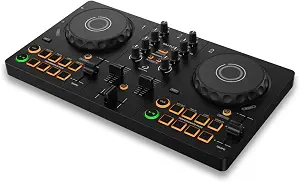
AlphaTheta Pioneer DJ DDJ-FLX2 2-Channel DJ Controller, Smart Fader, USB-C
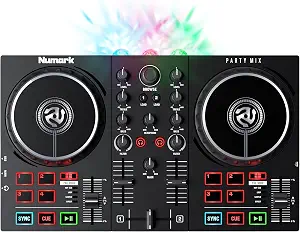
Numark Party Mix II DJ Controller with Built-in Lights
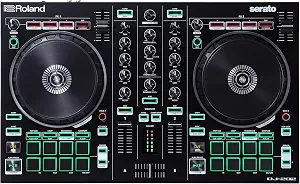
Roland DJ-202 Compact DJ Controller
Best Dj Controller Buying Guide — Black Friday Deals 2026
A useful DJ controller is the one that fits the equipment and software you intend to use, then gives you the controls needed for the kind of session you want to run. These three options take different routes: one emphasizes USB-C bus power and several listed software choices, one adds synchronized lights and an integrated mixer, and one includes a sequencer for creating beats on the fly. For Black Friday shopping, treat those distinctions as a shortlist, not as proof that any offer is a bargain. Compare the exact model and included items, then check that its stated connections and software fit your planned setup.
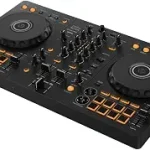
AlphaTheta Pioneer DJ DDJ-FLX2 2-Channel DJ Controller, Smart Fader, USB-C
Check Price on Amazon
Best Overall is an editorial fit for the AlphaTheta Pioneer DJ DDJ-FLX2 because its listed details connect a compact two-channel format with multiple software options and USB-C bus power. Its supported software includes rekordbox, djay, and Serato DJ Lite, while its listed platforms are Android, Windows, and iOS. That range can help shoppers narrow their choice when they are deciding which software and device they want to use; check the exact combination you plan to run rather than assuming every listed program works with every listed platform. The Smart Fader is another clearly identified control to consider if that feature is part of the mixing routine you have in mind.
The stated power arrangement is USB-C bus power from a phone, tablet, or PC/Mac, and the included component is a USB cable (C to C). That may suit a setup where powering the controller from a connected device is an important part of the plan. The specified audio output is 3.5 mm, so check that this connection matches the next point in your listening or speaker chain. These details are especially useful when comparing Black Friday listings: confirm the product is the DDJ-FLX2 and that the listing describes the same cable and configuration, rather than choosing from a broad category label.
This recommendation is not a claim of measured superiority or a promise that it will suit every DJ. It is a way to prioritize the features documented for this model: two channels, Smart Fader, named software choices, listed device platforms, USB-C bus power, and a 3.5 mm output. If you already have a specific computer, mobile device, software, and audio destination in mind, use those as a checklist before considering an offer. During Black Friday, compare the exact listing details and total package information you can verify; no particular promotion or saving is implied by this guide.
Key specs
| Channels | 2-Channel DJ Controller |
| Fader | Smart Fader |
| Supported software | Supported Software rekordbox, djay, Serato DJ Lite |
| Platforms | Platform Android, Windows, iOS |
| Power | USB-C bus power from a phone, tablet, or PC/Mac |
| Audio output | 3.5 mm output |
| Included component | USB cable (C to C) |
Numark Party Mix II DJ Controller with Built-in Lights
Check Price on Amazon
The Numark Party Mix II earns the Best Budget label as an editorial category choice, not as a statement about its current price or a claim that it is the least expensive option. Its documented feature mix gives shoppers concrete priorities to weigh: two DJ decks of control, a built-in audio interface, plug-and-play USB connectivity for Mac and Windows, and a built-in LED DJ light show that syncs to the mix. The lighting may appeal to someone who wants visual effects as part of a home session or gathering, while the two-deck layout and integrated mixer controls are relevant to someone learning to blend tracks. Decide which of those features matter before comparing Black Friday offers.
For performance control, the unit has pads with four DJ Pad FX: Effect, Cue, Loop, and Sampler. Each DJ deck also has filter knobs and pitch sliders. Its integrated DJ mixer includes 2-band EQ channel faders and a crossfader, giving you several named controls to consider against the way you expect to mix. The product information also specifies a built-in audio interface, a DJ headphones output, and a 1/8-inch main output to connect to DJ speakers. Before buying, map those stated connections to the equipment you plan to use instead of assuming a cable or accessory is included.
The Party Mix II is a distinct choice if synchronized built-in lighting is a deciding preference, but the label does not establish performance advantages over the other controllers here. Its stated USB connectivity is for Mac and Windows; avoid assuming support for a different device based on that wording. For a Black Friday comparison, verify the exact model and the details of the offer, including the package information shown on the listing. Consider whether the integrated controls, output options, and light show are useful in your own setting, then compare those priorities with the other models rather than using a discount claim as a substitute for fit.
Key specs
| Decks | 2 DJ decks of control |
| Audio interface | built-in audio interface |
| USB connectivity | plug and play USB connectivity for Mac and Windows |
| Lighting | Built-in LED DJ light show syncs to your DJ mix |
| Performance pads | Performance pads with 4 DJ Pad FX – Effect, Cue, Loop, and Sampler |
| Deck controls | Filter knobs and Pitch Sliders on each DJ deck |
| Outputs | DJ Headphones output and 1/8-inch main output to connect to DJ speakers |
| Mixer controls | integrated DJ mixer with 2-band EQ channel faders and crossfader |
Roland DJ-202 Compact DJ Controller
Best for beat creation is the editorial label for the Roland DJ-202, based on its onboard 16-step sequencer. The sequencer controls Serato DJ Lite’s sampler for on-the-fly beat creation, making it a relevant option for a shopper who wants beat-making controls included in the controller’s documented feature set. Serato DJ Lite is included, and the product is Serato DJ Pro Upgrade Ready. That software information can guide your comparison, but it does not establish that a particular upgrade is included. Check what the exact listing says before treating any software or upgrade as part of the purchase.
The DJ-202 is described as a two-channel, four-deck controller powered via USB. It has eight dedicated pads with Hot Cue, Loop, Sequencer, and Sampler modes, so a buyer can consider whether those functions match the actions they want readily available. Its RCA stereo outputs provide another practical detail to compare with the rest of a planned setup. The microphone input is specified with gate, hi-pass, reverb, and echo effects. Those documented options may matter to someone planning to use a microphone, but check the intended connections and workflow for your own equipment rather than inferring anything beyond the listed facts.
This controller’s strongest reason to make a shortlist is the sequencer-and-sampler combination, not a general claim that it is the right choice for every style. In a Black Friday comparison, set that feature beside the software included, the upgrade-ready note, the USB power, and the audio connections. Confirm the exact DJ-202 model and the package details shown for the offer; do not assume accessories or extra software that are not specified. If creating beats on the fly is central to your intended session, the sequencer is a clear decision point. If it is not, compare the other models by the features you expect to use.
Key specs
| Decks | A two-channel, four-deck controller that’s powered via USB |
| Software | Serato DJ Lite included; Serato DJ Pro Upgrade Ready |
| Sequencer | Onboard 16-step sequencer that controls Serato DJ Lite’s sampler for on-the-fly beat creation |
| Performance pads | eight dedicated pads with Hot Cue, Loop, Sequencer, and Sampler modes |
| Audio output | RCA stereo outputs |
| Microphone input | Mic input with gate, hi-pass, reverb, and echo effects |
Start with the sequence of your session
Before browsing, describe a typical session in practical steps: select tracks, cue or loop, blend, add effects, and decide whether you will use a microphone or create beats. This is not about choosing the controller with the longest feature list. It is about identifying which actions you want to reach for during a session and matching those actions to documented controls. The Party Mix II lists Effect, Cue, Loop, and Sampler pad effects, along with filter knobs, pitch sliders, EQ channel faders, and a crossfader. The Roland DJ-202 specifies Hot Cue, Loop, Sequencer, and Sampler pad modes, plus an onboard sequencer. The DDJ-FLX2 lists a Smart Fader.
Think through what you would actually do with those features. Someone who wants a sequencer as part of on-the-fly beat creation has a specific reason to examine the Roland. Someone who values synchronized built-in lights can focus on the Numark’s stated light show. If software choice and USB-C bus power are higher priorities, the AlphaTheta’s listed details deserve attention. These examples are not claims about how well any feature performs; they are ways to turn a broad category into a personal checklist.
Keep the Black Friday offer separate from the feature decision. First decide which controls support your intended sequence. Then compare the precise model and package shown in each listing. A tempting offer is not useful if its verified configuration does not fit the routine you want to build.
Trace the route from device to sound
Connections should be checked as a complete route, beginning with the device you plan to use and ending with the headphones or speakers you intend to connect. The DDJ-FLX2 specifies a 3.5 mm output and USB-C bus power from a phone, tablet, or PC/Mac. Its listed platforms are Android, Windows, and iOS, so check the software and device pairing you intend to use instead of reading those lists as a guarantee for every combination. The included USB cable is C to C; confirm that this is appropriate for your planned connection.
The Party Mix II lists plug-and-play USB connectivity for Mac and Windows, a built-in audio interface, a DJ headphones output, and a 1/8-inch main output for DJ speakers. The Roland DJ-202 is powered via USB and specifies RCA stereo outputs. Those are distinct connection details, so compare them with the inputs and cables available in your setup. Do not assume an adapter, speaker cable, or other accessory is included unless the offer explicitly states it.
This check is useful during Black Friday because a product name alone does not answer whether the listed package fits your existing equipment. Read the exact model information and included-item details, then verify each link in your sound and power path. If an important connection is unclear, do not fill the gap with an assumption; seek clarification from the listing before deciding.
Treat software support as a specific pairing
Software names are useful only when they match the way you plan to work. The DDJ-FLX2 lists rekordbox, djay, and Serato DJ Lite as supported software, and lists Android, Windows, and iOS as platforms. Its USB-C bus power detail also names a phone, tablet, or PC/Mac as possible power sources. Read each fact on its own terms, then check the exact software-and-device pairing you intend to use. The provided details do not specify every possible combination, so do not infer one from separate lists.
The Party Mix II specifies plug-and-play USB connectivity for Mac and Windows. The DJ-202 includes Serato DJ Lite and is Serato DJ Pro Upgrade Ready. That wording distinguishes included software from upgrade readiness; it should not be treated as a statement that a paid or upgraded version comes with the controller. If you already have a preferred software workflow, prioritize the product details that directly address it and verify any remaining compatibility questions before purchase.
For Black Friday, compare software information at the model level, not just by searching for a familiar brand name. Check that the exact product variant is shown and read what the offer actually includes. This avoids building a decision around an assumed license, platform pairing, or upgrade. A short written checklist of device, software, and connection needs can make the differences between these three listings easier to evaluate.
Decide which extras earn space in your setup
Optional features can make a controller feel more relevant, but only if they fit the session you want to run. The Party Mix II’s built-in LED DJ light show syncs to your DJ mix, which may be appealing when visual effects are part of the intended setting. Its pads also identify four DJ Pad FX, while the integrated mixer provides 2-band EQ channel faders and a crossfader. The Roland DJ-202 takes a different direction with a sequencer that controls Serato DJ Lite’s sampler for on-the-fly beat creation, and it has a microphone input with gate, hi-pass, reverb, and echo effects.
The DDJ-FLX2’s Smart Fader may be a relevant point of comparison if that named control is central to the way you want to mix. Do not treat any feature as an automatic benefit: ask whether you expect to use it, whether it fits the rest of your setup, and whether the product’s stated connections and software also meet your needs. A feature that is exciting in a listing but irrelevant to your routine should not outweigh a more important requirement.
During Black Friday, write down the extras you genuinely want before looking at offer language. This keeps the decision grounded in your intended use rather than in an unverified promotion. Compare only details confirmed for the exact model and package, and remember that the Best Overall, Best Budget, and Best for beat creation labels here are editorial ways to organize these options—not measurements or guarantees.
Make the Black Friday comparison verifiable
A careful offer comparison starts by matching the model name and product identifier, then checking the variant and included items described on the listing. A category page, shortened title, or promotional message may not show every detail needed to distinguish configurations. For these controllers, useful checks include the stated power method, software information, output type, and any included cable or software. Do not assume that a familiar product name means two listings describe identical packages.
Next, separate facts from claims about value. This guide does not establish a current sale, price, saving, stock status, review history, or seller policy. Read the live offer for those details, and compare the exact package you would receive with the features you actually need. If the listing leaves an important question unanswered—such as whether a particular connection or software pairing suits your setup—resolve that question rather than treating a discount label as evidence.
A useful Black Friday shortlist can be simple: mark your preferred control or feature, confirm the connection path, verify software and device information, and check package details. Then compare offers on equal terms. That approach lets a shopper judge whether an offer fits without inventing a discount or relying on a broad category description.
Make your Black Friday choice
The right choice depends on what you want to do, what device and software you plan to use, and how you need to connect the controller to your listening setup. The DDJ-FLX2 stands out in this group for its listed software choices and USB-C bus power; the Party Mix II for its synchronized built-in lights and integrated controls; and the DJ-202 for its sequencer-based beat-creation feature. These are practical distinctions, not universal rankings. As Black Friday approaches, verify the exact model, package, and offer details before deciding. Choose the features that serve your session, and leave any unconfirmed promotion or compatibility assumption out of the comparison.