Meta Quest 3S 128GB | VR Headset (ASIN B0F2GYMC8H)
Best Gaming Buying Guide — Black Friday Deals 2026
A Black Friday gaming shortlist can include very different kinds of setups: a desktop with a dedicated graphics card, a laptop that combines its screen and components, or a standalone VR headset. Start by deciding which format fits your routine, then compare the exact product and configuration rather than assuming that a seasonal offer makes one option right for everyone. The MSI Codex Z2 pairs an RTX 5070 with 32 GB of DDR5 memory and 2 TB of storage. Acer’s Nitro V 16S AI has a 16-inch WUXGA IPS 180Hz display and an RTX 5060 Laptop GPU. Meta’s Quest 3S is a standalone headset with 128 GB of storage. Those differences offer a practical starting point for weighing your priorities.
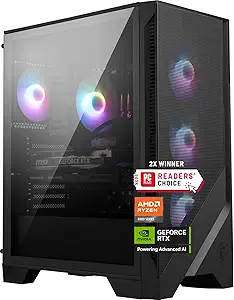
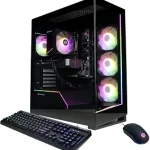
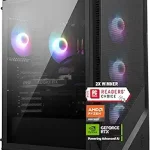
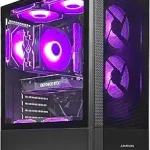
Best Overall is the editorial label for the MSI Codex Z2 because its listed configuration brings together an NVIDIA GeForce RTX 5070, 32 GB of DDR5 memory and a 2 TB SSD in a gaming desktop. Those facts give shoppers a clear component and capacity snapshot; they do not, by themselves, establish how any particular game will run. The AMD R7-8700F is part of the product name, and the listed operating system is Windows 11 Home. If you want a conventional desktop format and are comparing Black Friday options, this combination makes the Codex a natural product to examine first.
The 2 TB SSD is useful to consider in relation to the games and other files you expect to keep on the computer. Storage needs vary, so the capacity is a planning point rather than a guarantee that it will suit every library. Likewise, 32 GB of DDR5 memory is a concrete part of the configuration, but it should be weighed alongside your intended software and budget rather than treated as a promise of a particular result. The graphics card is identified as an RTX 5070; the provided details do not establish frame rates, resolution targets or performance in individual titles.
A desktop can make sense when you have a dedicated place for a computer and want the listed components in one system. Check the stated dimensions—16 x 8.38 x 19 inches—against the space where you plan to put it, including room for the rest of your setup. The dimensions alone do not tell you how your desk is arranged, so measure your own available space before deciding. Windows 11 Home is specified, which helps distinguish this configuration when comparing listings.
During Black Friday, match the offer to the exact Codex Z2 configuration rather than relying on a short title or a general claim about a desktop. Confirm that the listing identifies the RTX 5070, 32 GB DDR5 and 2 TB SSD configuration you intend to buy. Compare those details with your priorities: a desktop format, the listed storage capacity and the graphics hardware. This product earns the Best Overall label only within this three-product guide as a useful all-around configuration to consider, not as a measured ranking or a claim that it is the best choice for every gamer.
Acer Nitro V 16S AI Gaming Laptop (ASIN B0F195W823)
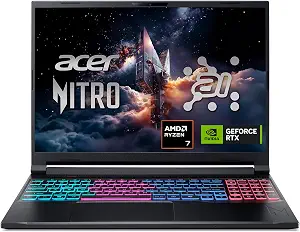
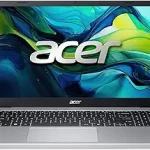
Best for a portable, high-refresh display is the label for the Acer Nitro V 16S AI. Its listed screen is a 16-inch WUXGA IPS 180Hz display, paired with an NVIDIA GeForce RTX 5060 Laptop GPU and an AMD Ryzen 7 260 Processor. That combination gives shoppers specific details to compare when a built-in screen and a laptop format are central to their plans. The label reflects those stated features, not a test of portability, display quality or game performance.
The screen specification can help narrow a Black Friday shortlist if you are looking for a laptop with a high-refresh display. WUXGA, IPS and 180Hz are the provided terms; they do not establish how a game will look or run, or whether a particular display setting suits your preferences. Consider what you play and how you use a screen before deciding that its listed characteristics are the right match. The product name identifies this as a gaming laptop, while its detailed specifications provide the evidence available for comparing this particular listing.
For memory and storage, the Nitro V 16S AI lists 32 GB of DDR5 and a 1 TB Gen 4 SSD. These details let you compare capacity and storage type with your own plans, but they cannot tell you how much room your installed games and other files will require. Wi-Fi 6 is also listed as its wireless specification. The supplied facts do not describe network performance or other connection details, so treat Wi-Fi 6 as a configuration detail to verify against your needs rather than a guarantee about a specific network.
A laptop may suit someone who wants the screen and computer in one product, but the provided information does not give dimensions, weight or battery life. Leave those questions open and check the complete listing if they matter to your routine. For Black Friday, verify that the offer is for the Nitro V 16S AI with the Ryzen 7 260 Processor, RTX 5060 Laptop GPU, 32 GB DDR5 and 1 TB Gen 4 SSD—not a different configuration with a similar name. The Best for a portable, high-refresh display label is grounded in the laptop format and listed 180Hz display, not an assurance about travel convenience or measured screen performance.
Meta Quest 3S 128GB | VR Headset (ASIN B0F2GYMC8H)
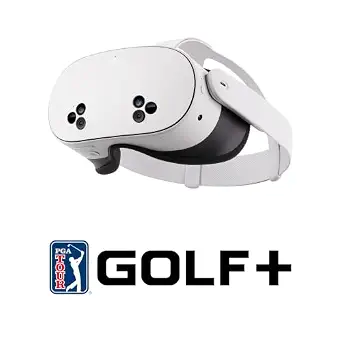
Best Budget is the editorial label assigned to the Meta Quest 3S 128GB in this guide. It identifies the option to consider if a standalone VR headset is the format you want to investigate; it does not claim a particular price, current discount or lowest cost. The listing specifies 128 GB of storage and standalone platform compatibility. That makes the Quest 3S a different kind of gaming purchase from the desktop and laptop here: compare it as a VR headset, not as a computer with the same configuration questions.
The headset’s listed display resolution is 1832 x 1920 per eye, and its field of view is 110 degrees. These specifications provide useful points for comparing VR products, but they do not determine how comfortable a headset will feel or how an individual experience will appear to you. Consider your own interest in VR and the kinds of sessions you expect to have. The facts provided do not identify particular games, accessories or other included items, so check the exact listing if those details matter to your choice.
The Quest 3S lists Oculus OS and a battery average life of 2.5 hours. The word “average” matters: use that figure as the stated battery-life detail, not as a promise of a fixed session length for every use. If you have a preferred play routine, decide whether the listed average is relevant to it and look for any additional information you need before purchasing. The headset’s standalone platform compatibility is specified, but the supplied details do not establish compatibility with particular games or services.
For a Black Friday comparison, confirm that the offer is for the 128 GB Quest 3S rather than another capacity or headset. Compare the stated storage with your own expectations, and decide whether standalone VR is what you are shopping for before comparing offers with desktop computers or laptops. The Best Budget label is a guide-specific recommendation, not evidence of a sale price or a claim about the wider market. It is most useful as a prompt to consider this headset when your budget-minded search is specifically about a standalone VR option.
Key specs
Storage
Memory Storage Capacity 128 GB
Operating system
Operating System Oculus OS
Field of view
Field Of View 110 degrees
Battery life
Battery Average Life 2.5 hours
Display resolution
Display Maximum Resolution 1832 x 1920 per Eye
Platform
VR Operating Platform Compatibility Standalone
Choose the kind of setup you will actually use
Before comparing Black Friday offers, sort your shortlist by format. The MSI Codex Z2 is a gaming desktop with a listed footprint of 16 x 8.38 x 19 inches. The Acer Nitro V 16S AI is a laptop with a 16-inch display. The Meta Quest 3S is a standalone VR headset. Each answers a different practical question: do you want a desktop configuration, a computer with its own screen, or a headset designed for standalone VR? Choosing the format first prevents an attractive-looking offer from distracting you from what you meant to buy.
Think through an ordinary play session, not an imagined ideal setup. Consider where you would place or use the product, what screen or headset experience you want, and whether you are shopping for a computer or VR. The provided facts cannot settle personal questions such as desk layout, comfort, preferred games or the value you place on portability. For the desktop, compare its exact dimensions with the space you have. For the laptop, note that dimensions and battery life are not supplied here, so investigate them if they affect your decision. For the Quest 3S, consider whether standalone VR matches your plans.
This format-first approach also makes a seasonal search more coherent. Keep the three product types in separate comparison groups, then assess relevant specifications within each one. A desktop’s graphics and storage details do not answer the same questions as a headset’s field of view or a laptop’s display refresh rate. Black Friday is a reason to review offers, not a reason to treat unlike products as interchangeable.
Read each specification for what it can tell you
Specifications are most useful when you separate listed facts from unanswered questions. The Codex Z2 identifies an NVIDIA GeForce RTX 5070, 32 GB of DDR5 memory and a 2 TB SSD. Those details describe parts of its configuration; they do not establish performance in a named game or tell you how much storage you personally need. The Nitro V 16S AI lists an RTX 5060 Laptop GPU, 32 GB DDR5 and a 1 TB Gen 4 SSD. Compare those capacities with your plans, without assuming that numbers alone predict your experience.
Screen details need the same careful reading. Acer lists a 16-inch WUXGA IPS 180Hz display. That gives you the stated screen type and refresh-rate figure to use when narrowing options, but it is not a report on image quality or results in a particular title. Meta lists a resolution of 1832 x 1920 per eye and a 110-degree field of view for the Quest 3S. These are headset-specific details; they cannot answer whether you will find a particular VR experience comfortable or visually appealing.
During Black Friday, compare like with like and check the full configuration name. If an offer description leaves out a detail you care about, look for confirmation in the product listing before deciding. Avoid reading missing information as proof that a feature is absent—or present. This evidence-first habit keeps the decision grounded in what is actually specified and helps you identify which questions still need answers.
Plan for capacity, sessions and personal routines
Storage is not a universal score. The Codex Z2 lists a 2 TB SSD, the Nitro V 16S AI a 1 TB Gen 4 SSD, and the Quest 3S 128 GB of storage. These figures describe the listed capacities across very different product types. Think about the files, games or other content you expect to keep, and compare the relevant capacity with that plan. The specifications alone do not say how much space a particular library will take or how much will be available for your own use.
Memory is another configuration detail to place in context. Both computers list 32 GB of memory, with DDR5 specified for each. That shared figure can simplify one part of a comparison, but it does not make the desktop and laptop equivalent, and it does not establish a specific outcome in use. Consider it alongside the other listed components and the product format that suits you. For the headset, focus instead on its stated 128 GB storage and the VR questions that matter to your routine.
Session planning matters especially when you are comparing the Quest 3S. Its listed battery average life is 2.5 hours. Treat that as an average-life specification rather than a guaranteed duration for every session. If your play plans depend on longer or shorter sessions, decide whether this figure warrants checking further listing details. Black Friday can bring several kinds of offers into view, but a seasonal promotion cannot resolve whether a capacity or session detail fits your habits.
Check space, operating details and unanswered questions
Fit can mean physical space, the way a product is used, or the specifications you need to confirm. For the MSI desktop, use the exact dimensions—16 x 8.38 x 19 inches—as a starting point for checking your intended location. Allow for your own arrangement rather than assuming the listed measurements answer every placement question. The Acer is identified as a laptop, but the facts here do not give its dimensions or weight. If those affect where or how you plan to use it, verify them in the full listing rather than guessing.
Operating details can also help distinguish the options. The Codex Z2 lists Windows 11 Home, while the Quest 3S lists Oculus OS and standalone platform compatibility. The Nitro V 16S AI lists Wi-Fi 6. Keep those statements specific: the information supplied does not establish compatibility with particular games, services, networks or accessories. Check any such requirement that is important to you against the exact product details.
Make a short list of unresolved questions before you shop. Depending on the product, you may want more information about dimensions, battery life, included items or the software you plan to use. These are questions to verify, not details to infer from a product category. A careful Black Friday review should confirm both the product identity and any facts that determine whether it fits your space and routine.
Compare the exact Black Friday offer before deciding
A seasonal label does not reveal whether an offer matches your priorities. Start by identifying the exact product and configuration: the Codex Z2 with its RTX 5070, 32 GB DDR5 and 2 TB SSD; the Nitro V 16S AI with its RTX 5060 Laptop GPU, 16-inch WUXGA IPS 180Hz display, 32 GB DDR5 and 1 TB Gen 4 SSD; or the Quest 3S with 128 GB of storage. These identifying details help guard against comparing a product name with an offer for a different configuration.
Next, decide what would make the purchase worthwhile for you, without relying on an assumed discount or an unsupported claim about value. You might prioritize a desktop’s listed component combination, the laptop’s built-in high-refresh display, or the headset’s standalone VR format. Check that the offer information clearly identifies the item you want, and review any listing details that matter to your decision. The information in this guide does not establish a current promotion, price, stock status or seller policy.
Finally, compare alternatives within the same format where possible and keep your own priorities visible. A Black Friday offer can be worth considering only if its exact product and configuration meet your needs. If key information is unclear, pause and verify it rather than treating a headline or category label as proof. This simple check helps keep the decision about fit, not just the presence of a seasonal deal.
Make your Black Friday choice
The best choice depends on the kind of gaming setup you want and which listed details matter most to you. The MSI Codex Z2 is the desktop option with an RTX 5070, 32 GB DDR5 and 2 TB SSD. Acer’s Nitro V 16S AI pairs a laptop format with a 16-inch WUXGA IPS 180Hz display. Meta’s Quest 3S is a standalone VR headset with 128 GB of storage. Use those facts to narrow your shortlist, then verify the exact configuration and any unanswered questions in the listing. A Black Friday offer deserves consideration when it fits your plan—not simply because it is presented as seasonal.