Dell 15.6 Laptop, FHD, Intel Core 3 100U, 8GB RAM, Windows 11 Home (ASIN B0H5X2GC1Y)
Best Windows Laptop Buying Guide — Black Friday Deals 2026
Choosing a Windows laptop for Black Friday is less about chasing a headline offer than finding a configuration that suits the way you work, study, and spend time at home. These three listings take different approaches: a 13.8-inch Surface with a Snapdragon X2 Elite processor, an HP with a 16-inch OLED display, and a Dell with a 15.6-inch Full HD display. Their memory, storage, wireless details, and other listed features also differ. Before comparing offers, decide which tradeoffs matter in your routine, then confirm the exact model and configuration shown at checkout. Black Friday can make that comparison feel urgent, but a deliberate shortlist is more useful than an offer viewed without context.
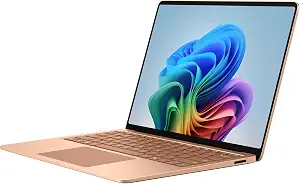
Best Overall is the editorial label for the Microsoft Surface Laptop (2026) among the laptops in this guide. That label is a way to identify a broadly considered option here, not a claim of measured superiority. Its listed configuration combines a 13.8-inch display at 2304 x 1536 resolution with a Snapdragon X2 Elite processor, 16 GB of memory, and 512 GB of storage. Windows 11 Home is the operating system. For someone who wants a relatively compact display alongside those specified components, this combination makes a clear starting point for a Windows laptop shortlist.
Think about the shape of your usual work before deciding whether the screen is right for you. A 13.8-inch display may suit someone who prefers a smaller viewing area for writing, browsing, or working through documents, while a shopper who regularly wants a larger screen may gravitate toward the HP or Dell instead. The resolution is also worth considering in relation to the material you view and how you arrange windows. Those are personal fit questions; the listed figures do not establish how a display will look in every setting.
The processor, memory, and storage figures give you useful configuration details to compare against the applications and files you expect to use. Consider whether 512 GB is enough room for the files you keep locally, and whether 16 GB matches the needs of your usual workload. Bluetooth 5.4 is the listed wireless connectivity detail, so check it against the devices you expect to connect rather than assuming any particular accessory behavior. On Black Friday, confirm that the offer is for this exact Surface configuration, including its processor, memory, and storage. The Best Overall label is an editorial signpost, not a substitute for your own requirements or a claim about the current offer.
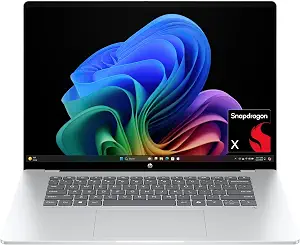
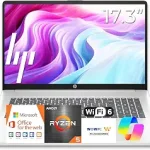
The HP OmniBook 5 16 inch carries the Best for a large OLED screen label because its listed display is a 16-inch diagonal, 2K (1920 x 1200), OLED panel. That makes it the option to examine first if screen size and OLED are central to your shortlist. The label reflects this particular feature, not a measured comparison with other laptops. Consider where you usually use a computer: a larger display may be appealing for viewing documents or arranging your work on screen, while someone prioritizing a smaller display could prefer the Surface.
The listed processor is a Snapdragon X X1-26-100, specified as up to 2.97 GHz with 8 cores. The configuration also includes 16 GB of onboard LPDDR5x-8448 MT/s memory and a 512 GB PCIe Gen4 NVMe M.2 SSD. Use these details to check the laptop against the software you rely on and the amount of local file space you expect to need. If your routine depends on a particular application, confirm its requirements independently before buying; the specification alone does not establish how that application will behave.
For calls, the listing names an HP True Vision 1080p FHD IR camera with temporal noise reduction and integrated dual array digital microphones. That is a relevant detail for shoppers who regularly use a camera and microphones, though it is still sensible to check the features required by your own meeting setup. Wireless specifications include Wi-Fi 6E (2×2) Dual Band Simultaneous (DBS) and Bluetooth 5.3. During Black Friday, match the offer to this exact OmniBook configuration and make sure the display, processor, memory, storage, and wireless listing correspond to what you intend to buy. The large OLED panel is the distinguishing reason to consider it; the rest of the decision should follow your own work and setup.
Key specs
Display
16″ diagonal, 2K (1920 x 1200), OLED
Processor
Snapdragon X X1-26-100 (up to 2.97 GHz, 8 cores)
Memory
16 GB LPDDR5x-8448 MT/s (onboard)
Storage
512 GB PCIe Gen4 NVMe M.2 SSD
Wireless
Wi-Fi 6E (2×2) Dual Band Simultaneous (DBS) and Bluetooth 5.3 wireless card
Camera
HP True Vision 1080p FHD IR camera with temporal noise reduction and integrated dual array digital microphones
Dell 15.6 Laptop, FHD, Intel Core 3 100U, 8GB RAM, Windows 11 Home
Dell 15.6 Laptop, FHD, Intel Core 3 100U, 8GB RAM, Windows 11 Home (ASIN B0H5X2GC1Y)
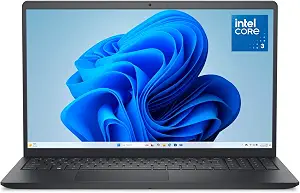
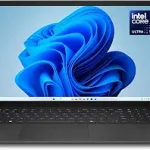
The Dell 15.6 Laptop is this guide’s Best Budget pick, an editorial label for a budget-minded comparison rather than a statement about its price or a market-wide award. Its listed configuration pairs a 15.6-inch display with 1920 x 1080 pixels, an Intel Core 3 100U processor as named in the product listing, 8 GB of memory, and 512 GB of storage. It runs Windows 11 Home and lists Wi-Fi 6. Shoppers considering a straightforward Windows laptop configuration can use those details to decide whether the screen and components fit their everyday plans.
The display is a practical point of contrast with the smaller Surface screen and the HP’s OLED panel. Think about whether a 15.6-inch screen at 1920 x 1080 pixels suits the way you read, write, browse, or view coursework. The listing gives a concrete display size and resolution to compare with your preferences, but it does not answer questions about how you personally use a laptop. Likewise, 8 GB of memory is a configuration detail to check against the applications you intend to keep open and the requirements of your usual tasks. If those requirements are important, verify them before choosing.
The listed weight is 3.6 pounds, and the battery capacity is 41 watt-hours. Treat those as planning details rather than promises about how long the laptop will run or how comfortable it will feel to carry; those outcomes depend on circumstances not specified here. Wi-Fi 6 may also matter if it matches the wireless standard you plan to use. For Black Friday, verify that the offer refers to this Dell listing and its 8 GB memory and 512 GB storage configuration. The Best Budget label identifies its editorial role in this selection, but only a comparison of the exact offer and your own needs can tell you whether it belongs on your final shortlist.
Key specs
Display
15.6 inches
Resolution
1920 x 1080 pixels
Memory
8 GB
Storage
512 GB
Operating system
Windows 11 Home
Wireless connectivity
Wi-Fi 6
Weight
3.6 pounds
Battery capacity
41 watt-hours
Decide what the screen needs to do in your day
Start by picturing the places and tasks that make up a normal day, not an idealized desk setup. The Surface has a 13.8-inch display at 2304 x 1536 resolution, the Dell lists a 15.6-inch display at 1920 x 1080 pixels, and the HP offers a 16-inch diagonal, 2K (1920 x 1200), OLED display. Those are distinct combinations to weigh against how much viewing area you want and what you usually put on screen. A shopper who prefers a more compact display may begin with the Surface; someone who specifically wants a larger OLED display has a clear reason to examine the HP.
Resolution is another part of the choice, but the figures alone cannot determine which screen will feel most comfortable to you. Consider the documents, webpages, and other material you routinely view, and whether your preference is for more screen area or a display that fits a smaller setup. If possible, use the listed size and resolution to frame questions before purchasing rather than treating any one specification as a universal winner. During Black Friday, compare the screen details in the offer with the exact product configuration. A listing title or promotional wording should not replace checking the display specification itself.
Match the processor and memory to your software list
A processor name is a starting point for checking fit, not a guarantee that every application will meet your expectations. The Surface lists a Snapdragon X2 Elite, the HP lists a Snapdragon X X1-26-100 with up to 2.97 GHz and 8 cores, and the Dell listing names an Intel Core 3 100U. Write down the applications you depend on, then confirm their stated requirements and any platform considerations that matter to you. The supplied specifications do not establish how a particular program will perform, so avoid making a decision from a processor label alone.
Memory deserves the same practical check. The Surface and HP each list 16 GB, while the Dell lists 8 GB. Think about the work you do at the same time: for example, whether you tend to keep several documents and browser tabs open, or focus on one task at once. These examples help define your needs; they do not predict an outcome for any specific laptop. Before a Black Friday purchase, make sure the memory figure belongs to the exact configuration in the offer and compare it with the requirements of the software you plan to use. That verification is more useful than assuming a component will suit every workload.
Treat storage as a plan for the files you keep
Each of these listings specifies 512 GB of storage, but that shared figure does not mean the models are otherwise interchangeable. The HP listing describes its storage as a 512 GB PCIe Gen4 NVMe M.2 SSD; the Surface and Dell list 512 GB. To judge whether the capacity works for you, consider the files you expect to keep on the laptop, such as active projects, downloaded material, and personal documents. If you routinely retain a large local collection, account for that habit when deciding whether the listed capacity fits your plans.
Separate what you need on the device from what you may keep elsewhere, and do not assume a storage arrangement or expansion option that is not specified in the listing. The point is to make a realistic estimate before comparing offers, not to treat a single capacity as automatically sufficient or insufficient. Black Friday can put attention on the headline configuration, so pause to confirm the storage detail on the exact product page you intend to buy. If the listing distinguishes an SSD specification, as the HP does, preserve that detail in your comparison rather than reducing every configuration to a product name alone.
Check wireless and calling details against your setup
Wireless specifications are useful when they answer a real question about the network or devices you use. The Surface lists Bluetooth 5.4; the Dell lists Wi-Fi 6; and the HP specifies Wi-Fi 6E (2×2) Dual Band Simultaneous (DBS) and Bluetooth 5.3. These entries are not identical, so compare the one that matters to your setup with the requirements of your network and accessories. Do not assume that a listed standard guarantees a particular connection in your home or workplace.
The HP is the only one of these records that gives detailed camera and microphone information: an HP True Vision 1080p FHD IR camera with temporal noise reduction and integrated dual array digital microphones. If calls are a frequent part of your routine, those are details worth weighing. Check that they align with the calling features you need rather than treating the specification as a promise about call quality in every environment. On Black Friday, verify the connectivity and camera details against the exact offer. A feature that matters little to your routine should not outweigh a more important fit, such as screen preference or application requirements.
Read a Black Friday offer as a specific configuration
A Black Friday offer is only useful to your comparison when you know which exact laptop configuration it covers. Confirm the product name and match the key details: processor, memory, storage, display, and operating system where listed. This helps distinguish the Surface with its Snapdragon X2 Elite and 16 GB of memory from another configuration, or the Dell listing with 8 GB of memory from a model that may have different specifications. Do not infer that a price or promotional description applies to a configuration that is not shown.
Compare the offer against your shortlist rather than comparing promotional wording in isolation. Keep notes on the feature that made each laptop a candidate: the Surface’s combination of display and listed components, the HP’s large OLED display and camera details, or the Dell’s display size, weight, and battery capacity. Then check that those details remain attached to the item in the offer before checkout. No active promotion or particular saving is established here, so use the listing itself to confirm the terms presented to you. A careful configuration check makes it easier to decide whether the offer fits your priorities, regardless of its promotional framing.
Use carrying details and routine to make the final call
Portability is personal, and the available listing details provide different amounts of information for each model. The Dell is listed at 3.6 pounds, which gives you a specific figure to consider if you expect to carry it. Its battery capacity is listed as 41 watt-hours, but capacity alone does not state how long it will last in your routine. The Surface and HP records here do not provide weight or battery capacity, so compare those details on the product listing if they are essential to your choice rather than filling in the gaps by assumption.
Finally, ask which compromise you are most comfortable making. A smaller display may be a better match for one shopper, while another may value the HP’s 16-inch OLED panel or prefer the Dell’s listed screen and weight details. Your applications, local storage habits, calling needs, and preferred viewing setup can settle close choices. During Black Friday, give yourself time to recheck the selected model and its exact specifications. Choosing from requirements you can name is more reliable than letting a temporary offer make the decision for you.
Make your Black Friday choice
The best Windows laptop for you depends on the details that shape your routine: the display you want to look at, the applications you need to run, the files you keep locally, and the connections you rely on. The Surface, HP, and Dell each give shoppers a different set of listed features to assess, with distinct editorial labels to help organize the comparison. For Black Friday, verify the exact model and configuration attached to any offer, then weigh it against your own requirements rather than assuming a promotion establishes value. A careful fit check is the useful final step between a shortlist and a purchase.