Western Digital 8TB WD Red Plus NAS Internal Hard Drive HDD (ASIN B0CMQ6SK7W)
Best Budget
Seagate IronWolf 4TB NAS Internal Hard Drive CMR 3.5 Inch SATA 6Gb/s 5400 RPM 64MB Cache for RAID Network Attached Storage Rescue Services (ST4000VNZ06/006)
Western Digital 16TB WD Red Pro NAS Internal Hard Drive HDD – 7200 RPM, SATA 6 Gb/s, CMR, 512 MB Cache, 3.5″ – WD161KFGX (ASIN B08K3VVKSW)
Best Nas Hard Drive Buying Guide — Black Friday Deals 2026
Choosing a NAS hard drive is less about finding one universal winner than matching capacity and listed drive details to your system and storage routine. This shortlist spans a 4TB Seagate IronWolf, an 8TB WD Red Plus and a 16TB WD Red Pro. Their recording types, interfaces, rotational speeds, cache sizes and workload figures also differ, so compare the specific details that matter for your setup rather than treating a single number as a complete verdict. Black Friday can make it tempting to start with a banner or a tempting offer. Instead, confirm the exact model and variant, then decide whether its specifications suit your plans. The guide below explains what each option brings to the shortlist and how to check a deal before buying.
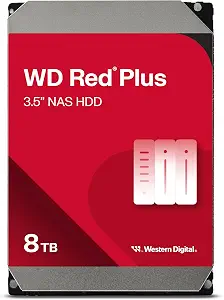
Western Digital 8TB WD Red Plus NAS Internal Hard Drive HDD
Western Digital 8TB WD Red Plus NAS Internal Hard Drive HDD (ASIN B0CMQ6SK7W)
The Western Digital 8TB WD Red Plus is the Best Overall choice in this group for shoppers seeking a middle-ground capacity among the three listed options. That label is an editorial fit for this particular shortlist, not a claim that it is best for every NAS or every buyer. Its 8000 GB capacity gives a clear starting point for planning a shared photo collection, document archive or media library. Before deciding, estimate how much of that space your files may occupy and whether your NAS setup can use this drive. Check the exact model against the device documentation rather than relying on a general NAS label.
The specification list identifies CMR recording, a Serial ATA-600 interface, a 3.5-inch form factor and a rotational speed of 5640 rpm. It also lists 256 MB Cache. These are separate details: recording technology is not the same thing as the connection, and neither cache nor rotational speed alone describes how a drive will suit every task. For a shopper organizing files across a NAS, the practical move is to compare each listed specification with the requirements and intended configuration of the system. The drive also has NASware firmware for compatibility; treat that as a listed feature, not a substitute for checking the specific NAS model.
The workload specification says it supports up to 180 TB/yr workload rate. Keep that figure in its stated context: it is a workload detail, not storage capacity and not a guarantee of a particular result in your home or office. If several people or applications will use the NAS, consider the expected pattern of activity alongside capacity and system fit. During Black Friday, this model can be a useful reference point when comparing offers, but only if the listing names the same WD Red Plus variant. Verify the model, capacity and listed drive details before judging whether a displayed offer suits your plan. A different variant may have different specifications, so do not assume a family name makes every listing identical.
Key specs
Storage capacity
8000 GB
Interface
Serial ATA-600
Rotational speed
5640 rpm
Recording technology
CMR
Cache
256 MB Cache
Form factor
3.5 inches
Workload rate
Supports up to 180 TB/yr workload rate
Firmware
NASware firmware for compatibility
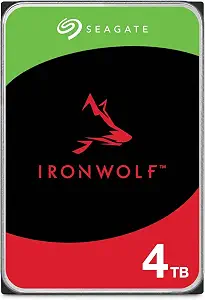
Seagate IronWolf 4TB NAS Internal Hard Drive CMR 3.5 Inch SATA 6Gb/s 5400 RPM 64MB Cache for RAID Network Attached Storage Rescue Services (ST4000VNZ06/006)
Seagate IronWolf 4TB NAS Internal Hard Drive CMR 3.5 Inch SATA 6Gb/s 5400 RPM 64MB Cache for RAID Network Attached Storage Rescue Services (ST4000VNZ06/006) (ASIN B09NHV3CK9)
The Seagate IronWolf 4TB is the Best Budget pick among the listed products, based on its lower stated capacity as a straightforward option to consider when a smaller storage plan fits. The label is an editorial recommendation within this group, not a claim about a sale price or market-wide value. Its 4TB capacity may suit a shopper who has already estimated a modest file collection and does not need the 8TB or 16TB capacities represented elsewhere in this guide. Think about what you plan to store, whether the collection is likely to grow and how the NAS will be configured before treating the capacity as a match.
This model is listed with CMR recording, a 3.5 Inch form factor, SATA 6Gb/s interface, 5400 RPM rotational speed and 64MB Cache. Keep those facts in separate columns when comparing candidates: the interface identifies the connection specification, while rotational speed and cache are other listed characteristics. None of these details alone settles whether a drive fits your NAS or your workload. The compatibility information specifically describes use in up to 8-bay, multi-user NAS environments. Confirm that your own NAS supports the exact model and drive configuration; the stated compatibility context should not be read as a universal fit for every system.
For someone planning a shared folder, backup destination or carefully sized archive, the useful first question is whether 4TB aligns with the amount of data they expect to keep. These are possible planning scenarios, not promises about performance or system behavior. Black Friday may bring multiple IronWolf listings or variants into a shopper’s results, so verify the full product name and the exact capacity before comparing the offer with this guide. Do not assume a banner applies to this specific model, or that a displayed deal makes the drive suitable for a NAS that has not been checked. Its Best Budget label simply points readers toward the lower-capacity option in this selection when that capacity and its listed compatibility details match their needs.
Key specs
Capacity
4TB
Recording type
CMR
Form factor
3.5 Inch
Interface
SATA 6Gb/s
Rotational speed
5400 RPM
Cache
64MB Cache
NAS compatibility
up to 8-bay, multi-user NAS environments
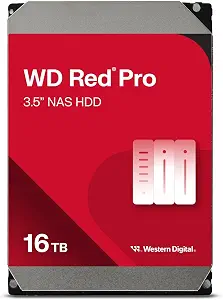
Western Digital 16TB WD Red Pro NAS Internal Hard Drive HDD – 7200 RPM, SATA 6 Gb/s, CMR, 512 MB Cache, 3.5″ – WD161KFGX
Western Digital 16TB WD Red Pro NAS Internal Hard Drive HDD – 7200 RPM, SATA 6 Gb/s, CMR, 512 MB Cache, 3.5″ – WD161KFGX (ASIN B08K3VVKSW)
The Western Digital 16TB WD Red Pro is the Best for Larger Workload Planning option in this shortlist. That distinct label draws on its listed rated workload rate of 550TB/yr and is an editorial way to identify a feature shoppers may want to examine; it does not prove measured superiority or guarantee a particular outcome. Its 16 TB capacity also makes it the largest-capacity drive among these three listings. A shopper considering a larger collection can use that capacity as a planning input, while still checking whether the NAS supports the model and the intended configuration.
The listed details include CMR recording, a Serial ATA-600 interface, 7200 rpm rotational speed, 512 MB cache and a 3.5 inches form factor. Consider these separately instead of assuming a high value in one field decides the purchase. The capacity indicates available storage as listed; the interface, recording technology, rotational speed and cache describe other aspects of the specification set. The workload figure is likewise its own piece of information, not a substitute for checking the system documentation or estimating the activity you expect. The product name identifies this as a WD Red Pro, so compare the exact model and not simply a shared brand or NAS-drive family.
This option may be worth considering when your storage plan calls for the listed 16 TB capacity and you want to take its workload figure into account. It may be more capacity than a smaller archive needs, so start with your own file estimate rather than assuming larger is automatically preferable. During Black Friday, compare the exact WD161KFGX listing and the specifications shown for the offered variant. A matching product name and capacity matter more than a general sale headline; do not assume an offer applies to this exact drive unless the listing confirms it. The Best for Larger Workload Planning label is intended to help navigate the three choices, not replace checks for NAS fit, configuration needs or the role of the workload figure.
Key specs
Storage capacity
16 TB
Rotational speed
7200 rpm
Hard disk interface
Serial ATA-600
Recording technology
CMR
Cache
512 MB
Form factor
3.5 inches
Rated workload
Rated for 550TB/yr workload rate(2)
Let the NAS system set the boundaries
Before comparing a NAS hard drive by capacity or offer, identify what your NAS documentation says about supported drives and configurations. Check the exact model or product family where the documentation allows, the form factor, the interface and any relevant setup requirements. A drive described for NAS use is not automatically confirmed for every enclosure or software configuration. The Seagate listing, for example, specifies compatibility with up to 8-bay, multi-user NAS environments; use that stated context carefully and verify your own system rather than extending it to other devices. The WD Red Plus listing includes NASware firmware for compatibility, but that feature does not remove the need to check the NAS itself.
Write down the details your system requires before opening a Black Friday deal page. This makes it easier to spot a listing that has a similar name but a different capacity or model. If you are replacing a drive, compare the replacement against the current setup and documentation; if you are adding storage, check the intended configuration first. Avoid deciding from a product-family label alone. The exact drive, the NAS model and the way you intend to use it all matter. If a listing leaves an important detail unclear, pause and resolve that uncertainty instead of assuming the most favorable interpretation.
Estimate the collection before choosing space
Start your capacity decision with the files you expect to keep, not with the largest number on a product page. Consider the current size of your photo, video, document or work archives and whether those collections may grow. Then compare that estimate with the capacities represented here: 4TB, 8000 GB and 16 TB. These are the capacities stated for the listed products; this guide does not calculate usable space for a particular NAS configuration. Your system’s setup and storage plan determine what amount is appropriate, so consult its documentation when translating a drive’s capacity into your intended arrangement.
A smaller capacity can be a sensible choice when it aligns with a deliberate, limited storage plan; choosing more capacity can make sense when your planned collection calls for it. Neither choice is inherently better without that context. During Black Friday, a larger drive may attract attention simply because the headline number looks appealing, but an offer is not a reason to buy space you have not planned to use. Equally, do not choose a smaller option solely because of its label if your files may outgrow the plan. Revisit the estimate before checkout, and compare the precise capacity shown in the offer with the capacity you shortlisted.
Read each specification for what it says
CMR appears in all three product records, while the listed interface, rotational speed and cache vary. Treat each as a distinct specification rather than combining them into a broad claim about performance. The WD Red Plus lists Serial ATA-600, 5640 rpm and 256 MB Cache; the IronWolf lists SATA 6Gb/s, 5400 RPM and 64MB Cache; the WD Red Pro lists Serial ATA-600, 7200 rpm and 512 MB cache. These are the supplied values, not a guarantee that one drive will feel faster in a particular NAS or task. Check the device documentation to determine which interfaces and drive characteristics matter to your configuration.
The form factor is another practical item to confirm: each listing gives a 3.5-inch form factor, though the source formatting varies. The WD Red Plus also lists NASware firmware for compatibility, while the IronWolf record describes up to 8-bay, multi-user NAS environments. Such details can help frame questions, but they should not be stretched into claims about features not provided. A Black Friday comparison is clearer when you keep a short checklist of capacity, recording type, interface, form factor and any workload information that matters to your use. Avoid letting a large cache figure or a higher rotational-speed number stand in for verifying the whole fit.
Use workload figures as planning context
Workload figures can help distinguish the information provided for these drives, but they should be read exactly as listed. The WD Red Plus supports up to 180 TB/yr workload rate, while the WD Red Pro is rated for 550TB/yr workload rate(2). The IronWolf facts provided here do not include a workload-rate figure, so do not fill that gap with an assumption. These figures are not capacities, and they do not tell you by themselves what a particular home or office workload will be. Match the stated qualification and units carefully when checking a product page.
Think about the type of activity you expect: a NAS used for an archive may have a different routine from one that serves files to multiple people. Those are planning prompts, not claims about what a listed drive can deliver. If the workload figure is important to your decision, compare it with the needs of your system and the drive’s official listing, and seek clarification where the specifications do not answer your question. Black Friday messaging can emphasize a single number, but the useful decision is whether the complete drive and your expected use align. Do not treat a workload figure as a warranty, a promise of lifespan or a prediction of performance.
Audit the exact Black Friday product page
Once you have a shortlist, inspect the Black Friday offer as a specific product listing rather than as a general promotion. Confirm the product name, model where supplied, capacity and the specifications that influenced your choice. The WD Red Pro name includes model WD161KFGX; the Seagate listing identifies ST4000VNZ06/006. Use these identifiers alongside the capacity and product family when checking that the page represents the drive you mean to buy. A similar title or family name is not enough to establish that the offer is for the exact variant in this guide.
Compare the offer details as displayed at the time you shop; this guide has no price, discount or stock information. Check whether the page identifies the relevant capacity and configuration, and do not infer that a Black Friday banner applies to every version in a product family. If a product page and your NAS documentation disagree or leave a required detail uncertain, postpone the decision until you can verify it. Once the identity is clear, weigh the offer against your storage plan and the specifications you actually need. This final check helps keep a seasonal promotion from distracting you from compatibility, capacity or model differences.
Make your Black Friday choice
A sound NAS hard drive choice begins with system fit and a realistic storage plan, then narrows through the exact specifications that matter to you. The 4TB IronWolf, 8TB WD Red Plus and 16TB WD Red Pro each offer a different set of listed details, so use their labels as a guide to this shortlist rather than as a substitute for your own checks. Before acting on a Black Friday offer, confirm its precise model and capacity, then revisit your NAS documentation and expected use. A clear match is more useful than a dramatic banner; buy only when the listed drive and your plan line up.