Best Laptop Students Buying Guide — Black Friday Deals 2026
Choosing a laptop for students starts with the work it must support, not with a Black Friday banner. These options range from two Chrome OS configurations to a Windows-oriented IdeaPad Slim 3i listing with a larger touchscreen workspace, so the right fit depends on course requirements, preferred screen size, and how much memory and storage the student needs. Before comparing a Black Friday offer, check the exact model and configuration against the school’s software and device guidance. The specifications here clarify what each listing states; they do not establish sale pricing, suitability for every course, or real-world battery results.
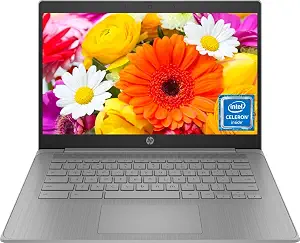
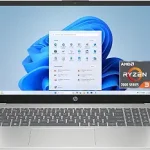
HP 14″ HD Chromebook Laptop for Students (ASIN B0C8171GTK)
Best Budget is the editorial label for the HP 14-inch HD Chromebook Laptop for Students. Its listed configuration is clear and straightforward to compare: Intel Celeron N4120 processor with 4 Cores & Threads, 4GB RAM, 64GB eMMC storage, and Chrome OS. A student considering a Black Friday offer can use those details to check the required operating system and determine whether the stated memory and storage align with course needs. The label does not mean it is the lowest-priced option at any particular time; no current prices or discounts are established here.
The display is listed as 14 inches with 1366 x 768 pixels resolution. That gives shoppers concrete screen information to compare with the student’s reading, writing, and workspace preferences, without assuming how comfortable it will feel to a particular person. The wireless specification is 802.11ac. Students should compare that stated detail with their school’s connectivity expectations and typical study locations rather than treating the specification as a guarantee of connection quality. Since the listing runs Chrome OS, confirm that required coursework tools and school instructions support the platform before buying.
This HP may be worth considering when the student’s checklist points to a Chromebook and the listed configuration covers the intended routine. Its 64GB eMMC storage is a stated capacity, so students who plan to keep course files locally should consider their own file habits and any school-approved storage arrangements. The details do not specify battery life, touch capability, or application compatibility, so don’t assume any of those from the product name. For Black Friday, match the listing and selected variant carefully, then assess the exact offer on its own terms. Best Budget is a guide label based on the role assigned in this comparison, not a claim about market-wide pricing.
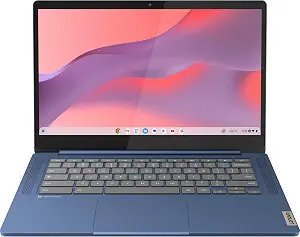
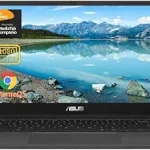
Best Overall is an editorial fit for students who want a touchscreen Chromebook with a more detailed listed display and current wireless specifications. The Lenovo Flagship Chromebook has a 14-inch Full HD touchscreen, 4GB RAM, and 64GB eMMC storage. Those details make it possible to compare the screen format and stated capacity with a student’s routine, but they do not guarantee that a particular class application will work. Check required software and school device guidance before making this the leading Black Friday candidate.
Its MediaTek Kompanio 520 is listed as an octa-core processor, with 4x A73 @2.0GHz and 4x A53 @2.0GHz. The operating system is Google Chrome OS. That combination is useful information for checking a school’s platform requirements, not a promise of performance in a specific subject or workload. A student who depends on particular desktop software should verify compatibility rather than assume it from the processor name or operating system. For a student whose courses and study routine fit Chrome OS, this listing keeps the operating system and touchscreen details easy to evaluate together.
Wi-Fi 6, 11ax 2×2 + Bluetooth 5.1 combo is the stated wireless specification, and the listed battery life is 13.5 hours. Treat the battery figure as a product claim to compare, not a prediction of time away from an outlet for every student; actual use and conditions are not provided here. During Black Friday shopping, confirm that the offer is for this exact Lenovo model and configuration, then compare the final offer details with the student’s needs. The Best Overall label reflects this guide’s choice among these featured options, not a measured ranking or guarantee that it suits every course.
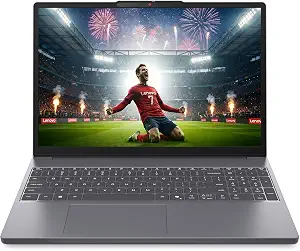
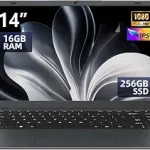
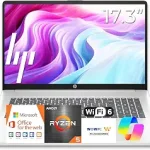
Best for a larger touchscreen workspace is the guide’s role for the Lenovo IdeaPad Slim 3i. Its listed 15.3-inch WUXGA touchscreen gives students a larger stated display format to consider alongside the 14-inch options. Whether that is preferable depends on the study setup: someone who often works at a desk may prioritize screen area, while a student who carries a laptop between classes may weigh size differently. The listing does not provide weight or portability details, so compare those directly if they matter. During Black Friday, verify the exact IdeaPad model and configuration rather than relying on a broad product-family name.
The specification list includes an Intel Core Ultra 5 Processor 322, 16GB RAM, and 1TB SSD storage. These are the listing’s processor, memory, and storage details; they offer a useful basis for checking a course’s software requirements and the student’s plans for active work and locally kept files. They do not establish how a particular application will perform or how much storage a student will ultimately need. The listed operating system is not included in the supplied details, so confirm that information and any required platform before choosing this laptop for a course.
A 120Hz refresh rate and 60 watt-hours battery capacity are also listed. The refresh-rate figure can be compared as a display specification, but it does not by itself establish a student’s preferred viewing experience. Battery capacity is not the same as a stated runtime, and this listing does not provide a battery-life figure here. Keep those distinctions in mind while reviewing a Black Friday offer, especially if battery duration or screen behavior is central to the decision. Best for a larger touchscreen workspace describes the intended shopping priority; it is not a claim that this option is best for every student.
Key specs
Processor
Intel Core™ Ultra 5 Processor 322
Display
15.3″ WUXGA Touchscreen Display
Memory
16GB RAM
Storage
1TB SSD Storage
Refresh rate
120Hz Refresh Rate
Battery capacity
60 watt-hours
Turn course demands into a device checklist
Start with the student’s actual courses and school guidance. Write down required applications, any specified operating system, and whether the school has device recommendations. This step can quickly separate options that need further compatibility checks: the HP and Lenovo Flagship listings specify Chrome OS, while the IdeaPad Slim 3i details provided here do not name an operating system. That missing detail is a reason to verify, not a basis for guessing. A Black Friday offer is only worth comparing once the model can meet the course’s stated requirements.
Next, distinguish essentials from preferences. A touchscreen may be important to one student and irrelevant to another; a 14-inch display, 15.3-inch display, or listed resolution may shape a student’s preference without proving which screen will feel right. Ask the student what they read, write, or view most often, and check whether their school calls for particular device features. Use the specifications as a shortlist, then seek confirmation for anything the listing facts do not establish. This keeps a Black Friday decision tied to coursework instead of turning an attractive label into a substitute for requirements.
Choose a screen around the study setting
Screen choice is personal, but the provided display details give a useful starting point. The HP lists a 14-inch display at 1366 x 768 pixels. The Lenovo Flagship Chromebook lists a 14-inch Full HD touchscreen. The IdeaPad Slim 3i lists a 15.3-inch WUXGA touchscreen. Compare those descriptions with where the student usually studies and what they want to see on screen. A student should consider the physical workspace and their own preferences rather than assuming that a larger display is automatically the better match.
Touch capability is explicitly listed for the two Lenovo models, but not in the supplied HP specifications. Treat that as a distinction in what is stated, not proof of an unlisted feature’s absence. If touch input matters, confirm it for the exact configuration being considered. For Black Friday, check that the offer corresponds to the display details you intended to compare; product-family names can be less precise than the configuration information. The best choice is the one whose verified display features suit the student’s routine, not simply the one with the most appealing screen description.
Think about files and active work before choosing capacity
Memory and storage describe different parts of a configuration, so consider each against the student’s work habits. The HP and Lenovo Flagship Chromebook both list 4GB RAM and 64GB eMMC storage. The IdeaPad Slim 3i lists 16GB RAM and 1TB SSD storage. These are stated specifications, not recommendations that every student needs a particular amount. A student who expects to keep many files locally should think through what they save and how they organize it; someone following school instructions for file storage should include those instructions in the decision.
Ask whether the student’s regular work involves several active tasks, large files, or mostly coursework managed through school-approved systems. Then compare that routine with the listed configuration and the course’s requirements. Do not infer a specific application’s behavior from the numbers alone. A Black Friday listing can also show configuration choices that need checking, so verify that the selected offer includes the memory and storage you meant to compare. Paying attention to the exact configuration helps avoid choosing by a model name while overlooking the details most relevant to the student.
Read connectivity and battery information in context
The wireless details differ across the supplied records: the HP lists 802.11ac, and the Lenovo Flagship Chromebook lists Wi-Fi 6, 11ax 2×2 + Bluetooth 5.1 combo. Consider whether the student has specific connectivity requirements from school, then verify those requirements against the exact configuration. A wireless specification alone does not promise coverage or connection quality in a classroom, library, home, or other study location. If a course or institution gives device guidance, use that as the deciding reference rather than extrapolating beyond the listed details.
Battery information also needs careful interpretation. The Lenovo Flagship Chromebook lists 13.5 hours of battery life, while the IdeaPad Slim 3i lists 60 watt-hours of battery capacity. Capacity and runtime are different kinds of information, and no HP battery figure is provided here. Don’t treat an advertised runtime as a guarantee for every student’s schedule or usage. When comparing a Black Friday offer, look for the battery information on the exact product configuration and weigh it against the student’s routine. If runtime is a deciding factor, seek clear, applicable product details before committing.
Check what the Black Friday offer actually includes
A Black Friday label does not establish that a laptop is discounted or that an offer is favorable. Compare the exact model, configuration, and terms presented at the time of shopping, and make sure the selected option matches the specifications you considered. This matters when a product name is broad or when a listing presents multiple configurations. The supplied details do not establish current prices, savings, stock, or seller policies, so base the decision on information available for the offer itself rather than assuming those details.
Before checkout, revisit the course checklist: verify the operating system and software requirements, confirm the preferred display configuration, and check memory, storage, wireless, and battery details that matter to the student. If a decisive specification is not stated clearly, pause to verify it. Compare the complete offer for each shortlisted laptop on equal terms, and don’t let a seasonal promotion replace a compatibility check. A thoughtful Black Friday purchase is one where the exact configuration fits the student’s needs and the offer details are clear—not merely one that carries a timely label.
Make your Black Friday choice
The HP Chromebook offers a defined Chrome OS configuration to consider under the Best Budget label; the Lenovo Flagship Chromebook pairs its listed touchscreen and wireless details with the Best Overall role; and the IdeaPad Slim 3i is the guide’s pick for a larger touchscreen workspace. Those labels are editorial ways to organize these options, not guarantees for every student. Match the device to course requirements and personal study habits, verify any missing detail, and compare the exact configuration and terms before accepting a Black Friday offer. The best choice is the one that checks the student’s real requirements without relying on assumptions.